
How to Reverse Fatty Liver Naturally
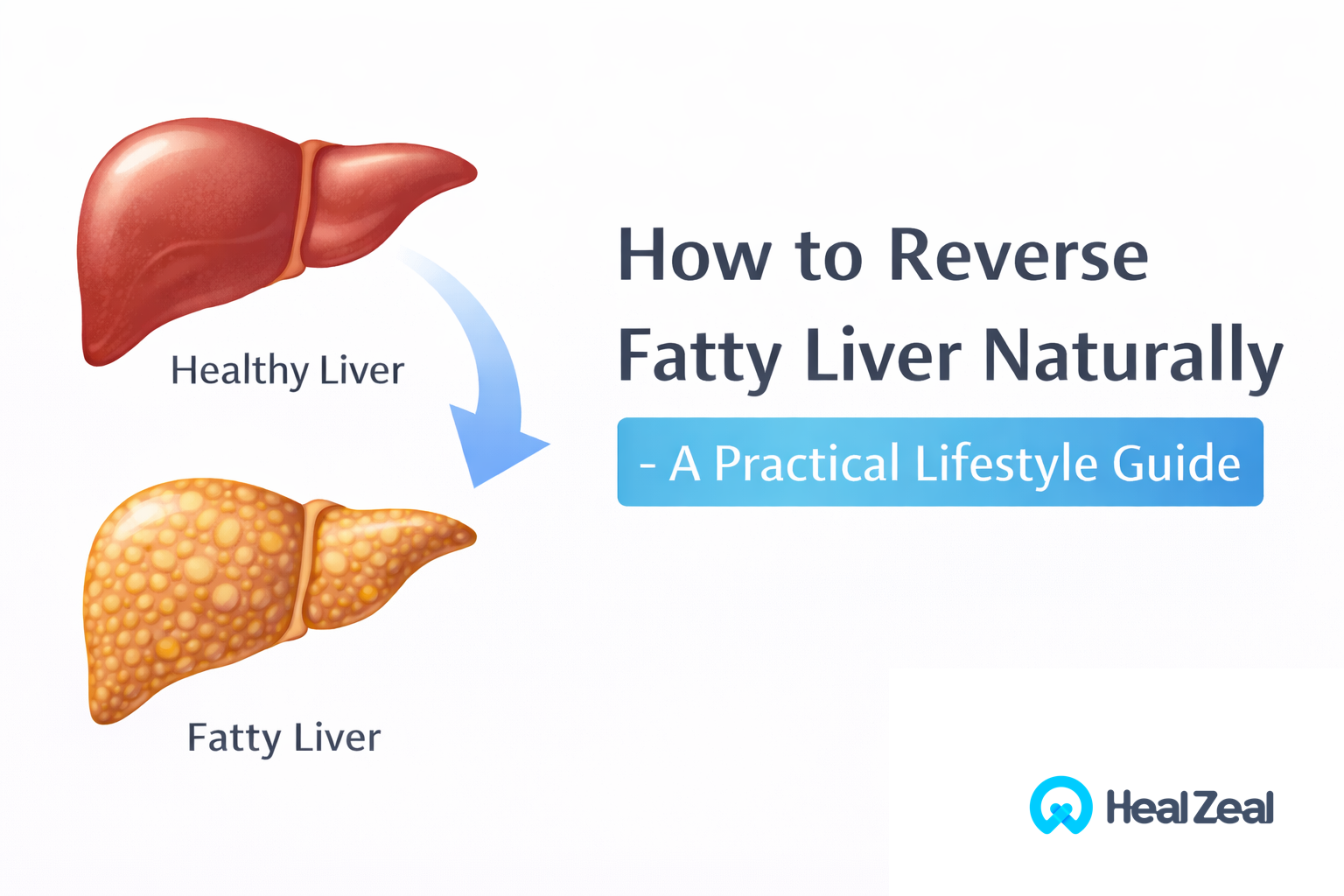
Fatty liver is now one of the most common silent metabolic conditions seen in Australian adults. Many people only discover it after a routine blood test or ultrasound report mentions “fatty infiltration of the liver.” The usual advice is weight loss - but most people are not given a clear, practical plan.
The good news: in early and moderate stages, fatty liver can often be improved - and sometimes reversed - through structured lifestyle changes. Research shows that targeted nutrition, weight reduction, movement, and metabolic timing can significantly reduce liver fat.
This guide explains evidence-based, practical steps you can follow
What Is Fatty Liver
Fatty liver means excess fat has accumulated inside liver cells. The most common type today is non-alcoholic fatty liver linked with:
-
Insulin resistance
-
Belly fat
-
Prediabetes or type 2 diabetes
-
High triglycerides
-
Sedentary lifestyle
-
Ultra-processed food intake
It often has no early symptoms, which is why lifestyle action matters once detected
Can Fatty Liver Really Be Reversed?
Research from metabolic and liver studies shows:
-
Losing 5–10% of body weight can significantly reduce liver fat
-
Improving insulin sensitivity reduces new fat deposition
-
Reducing refined carbohydrate intake lowers liver fat production
-
Resistance training improves liver enzymes even without large weight loss
Early stages respond best to lifestyle intervention.
The 6 Most Effective Natural Strategies
1. Target Modest Weight Loss First
You do not need extreme dieting.
Evidence shows:
-
5–7% weight reduction → measurable liver fat reduction
-
8–10% → stronger reversal effect
Focus on:
-
waist reduction
-
visceral fat loss
-
steady pace (not crash dieting)
Rapid crash diets may worsen metabolic stress
2. Reduce Refined Carbohydrates and Liquid Sugar
Liver fat is strongly driven by excess glucose and fructose intake.
Reduce first:
-
Fruit juice
-
Soft drinks
-
Sugary coffee drinks
-
Bakery foods
-
White bread
-
Refined cereals
-
Sweets
Fructose excess is particularly linked with fatty liver progression.
Replace with:
-
Whole foods
-
High-fiber carbs
-
Protein-balanced meals
3. Increase Protein and Fiber Intake
Higher protein intake supports fat loss and insulin control.
Practical targets:
-
Protein at every meal
-
Fiber from vegetables, legumes, seeds
-
Whole foods over packaged foods
Meal structure matters more than calorie counting alone..
4. Use the Post-Meal Movement Method
Short walks after meals reduce glucose spikes and fat storage signals.
Research supports:
-
10–15 minute walk after meals
-
Especially after largest meal
-
More effective than one long weekly workout
Consistency beats intensity.
5. Add Resistance Training
Strength training improves insulin sensitivity and reduces liver fat drivers.
Minimum effective plan:
-
2–3 sessions per week
-
Bodyweight or light weights
-
Focus on major muscle groups
Muscle tissue improves glucose disposal and metabolic rate.
6. Improve Sleep and Stress Regulation
Poor sleep and chronic stress increase insulin resistance and fat storage.
Targets:
-
7+ hours sleep
-
Regular sleep timing
-
Reduce late meals
-
Stress regulation habits
Cortisol excess is linked with central fat and liver fat accumulation.
Foods That Support Fatty Liver Improvement
Evidence supports higher intake of:
-
Green vegetables
-
Legumes
-
Nuts
-
Seeds
-
Oily fish
-
Olive oil
-
Whole grains
-
Fermented foods
Mediterranean-style eating patterns show strong benefit in fatty liver studies.
What About Fasting and Time-Restricted Eating?
Emerging research suggests that structured meal timing (not constant grazing) may help:
-
Improve insulin sensitivity
-
Reduce liver fat production
-
Support weight reduction
However, it should be personalized - not extreme - especially if medical conditions exist.
When To Seek Structured Lifestyle Support
Lifestyle change works best when structured.
Support is helpful if:
-
Liver enzymes are rising
-
Weight loss attempts fail
-
Prediabetes or insulin resistance present
-
Confusion about diet advice
-
Motivation fluctuates
Structured lifestyle medicine support improves adherence and outcomes.
For research-based lifestyle and metabolic health support articles:
0435 195 786
www.healzeal.com
For appointments and consultations:
www.healzeal.com.au
Ask your GP about a GP Chronic Condition Management Plan (GPCCMP) referral and contact HealZeal for lifestyle and metabolic health support - or call us directly on 0435 195 786.