
What To Do If Your Blood Test Shows Pre-Diabetes
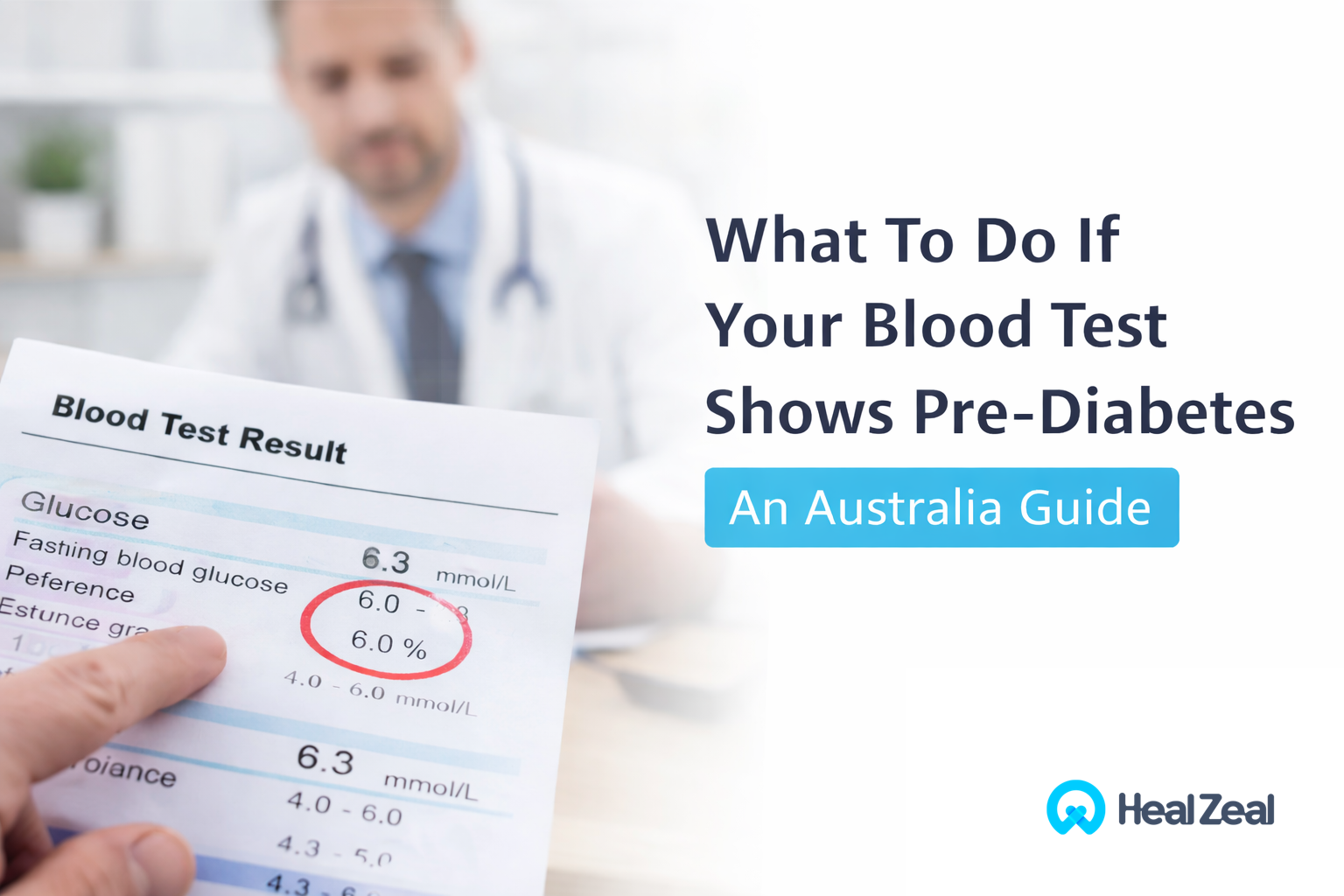
Many Australians first discover pre-diabetes after a routine blood test. The report may show a borderline HbA1c or slightly raised fasting glucose, and the GP may say: “Your sugars are a bit high- you need lifestyle changes.”
Most people then ask the same question: What exactly should I do now?
Pre-diabetes is a warning stage- but also a powerful opportunity. Research shows that early lifestyle action can significantly reduce the risk of progression to type 2 diabetes. This guide explains practical, evidence-based next steps for Australians who have just received a pre-diabetes result.
What Pre-Diabetes Means in Blood Test Terms
Pre-diabetes usually appears as one or more of the following:
-
HbA1c in borderline range
-
Fasting glucose above normal
-
Impaired glucose tolerance test result
It means your body is developing insulin resistance - glucose is not being handled efficiently- but the condition is often still reversible with structured lifestyle intervention.
Large diabetes prevention trials have shown that lifestyle change can reduce progression risk by up to 60% in high-risk individuals.
Step 1- Confirm and Understand Your Numbers
Do not panic - but do clarify.
Ask your GP:
-
What is my HbA1c value?
-
What is my fasting glucose?
-
Am I in pre-diabetes range or just above normal?
-
Should I repeat the test?
-
Do I have other risk factors (weight, cholesterol, blood pressure, family history)?
Write the numbers down. Tracking trends matters more than one isolated reading.
Step 2 - Start With Weight and Waist, Not Only Sugar
Research shows that modest weight reduction - even 5–7% - significantly improves insulin sensitivity.
More important than weight alone:
-
Waist circumference
-
Visceral fat
-
Muscle mass
-
Physical inactivity
Early fat loss around the abdomen produces measurable glucose improvement.
Step 3 - Fix the First Two Meals of the Day
Post-meal glucose spikes drive progression.
High-impact changes:
Breakfast
-
Add protein
-
Reduce refined carbs
-
Avoid sweet drinks
-
Avoid bakery items
Lunch
-
Half vegetables
-
Quarter protein
-
Quarter slow carbs
-
Eat protein first where possible
Meal order affects glucose response - protein and fiber before carbs reduces spikes.
Step 4- Use the Post-Meal Walking Method
Multiple controlled studies show that 10–15 minutes of walking after meals reduces glucose spikes more effectively than a single longer workout later.
Start with:
-
Walk after lunch
-
Walk after dinner
-
Even slow walking counts
This is one of the simplest and most research-supported tools in pre-diabetes management.
Step 5- Improve Sleep Before Adding Extreme Diets
Sleep restriction increases insulin resistance within days.
Targets:
-
7+ hours sleep
-
Regular timing
-
Reduce late meals
-
Reduce night screen exposure
Sleep is a metabolic regulator - not optional.
Step 6 - Reduce Liquid Sugar Completely
Immediate eliminations:
-
Fruit juice
-
Sugary coffee drinks
-
Soft drinks
-
Energy drinks
-
Sweetened smoothies
Liquid sugar produces rapid glucose rise without satiety benefit.
Step 7 - Check Medication and Medical Factors
Discuss with your GP:
-
Steroid use
-
Thyroid status
-
PCOS
-
Sleep apnea
-
Blood pressure medicines
-
Cholesterol medicines
Some medical factors influence glucose control.
Step 8 - Build Muscle, Not Just Do Cardio
Strength training improves insulin sensitivity independently of weight loss.
Minimum target:
-
2–3 resistance sessions per week
-
Bodyweight or light weights are enough to start
Muscle acts as a glucose sink.
Step 9 - Get Structured Lifestyle Guidance Early
People who receive structured education and accountability improve faster than those trying random diet changes.
Structured support includes:
-
Meal pattern planning
-
Label reading training
-
Supermarket guidance
-
Glucose response education
-
Habit tracking
-
Prevention strategy
Early guidance prevents trial-and-error fatigue.
When To Seek Pre-Diabetes Lifestyle Support
Consider support if:
-
HbA1c is rising
-
Weight is increasing
-
Family history exists
-
Motivation is inconsistent
-
You feel confused about food advice
-
You want prevention without medication first
Pre-diabetes is the best stage to intervene.
For research-based lifestyle and pre-diabetes support articles:
0435 195 786
www.healzeal.com
For appointments and consultations:
www.healzeal.com.au
Ask your GP about a GP Chronic Condition Management Plan (GPCCMP) referral and contact HealZeal for lifestyle and pre-diabetes prevention support - or call us directly on 0435 195 786.